Water Quality Report Shows 24 Contaminants
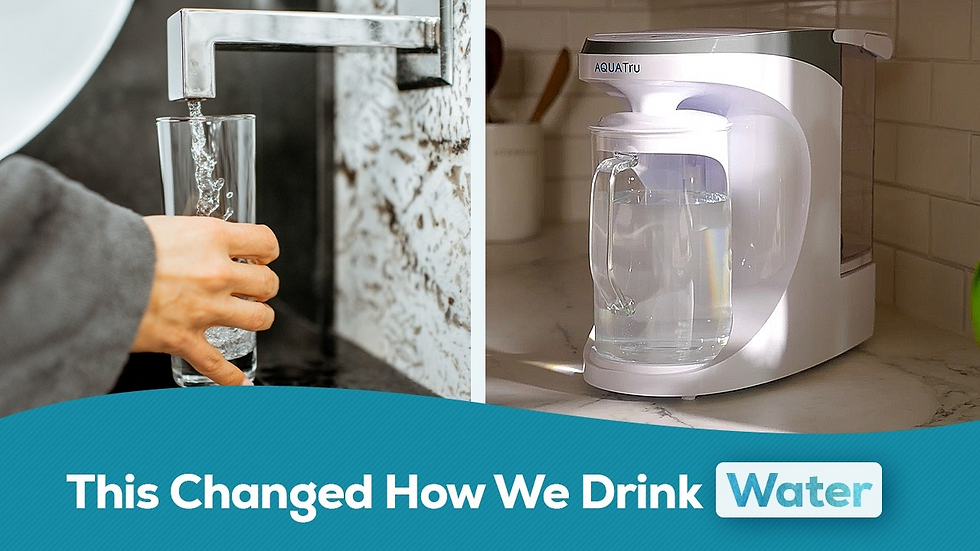
For most of my life, I never really gave much thought to the water coming out of our tap. It was just... water. You turn on the faucet, fill your glass, drink it, and that's it. I always assumed it was safe because, well, that's what everyone around me was doing too. It never crossed my mind that there might be anything wrong with it.
A few weeks ago, though, I ended up looking through our local water report. I wasn't even searching for anything serious. I think I was just curious and had some free time. Honestly, I expected it to be full of technical information that I wouldn't pay much attention to. But then I noticed it listed 24 different contaminants. Twenty-four. I don't know why, but seeing that number immediately made me stop and reread it. It just seemed like a lot. Maybe there's a perfectly reasonable explanation for it, but at that moment I started wondering what exactly has been in the water I've been drinking all these years.
The report mentioned things like lead, arsenic, nitrates, bacteria, and a bunch of other stuff I could barely pronounce. It also explained that most of them were within acceptable safety limits, but for some reason that didn't completely put my mind at ease. Maybe it's because those are words you usually hear in conversations about pollution or health risks. Seeing them connected to drinking water felt strange. After that, I found myself reading article after article about water quality and filtration systems when I should have probably been doing something else.
At one point I thought maybe bottled water was the obvious solution. Problem solved, right? But then I started seeing reports and studies talking about microplastics in bottled water. So suddenly that didn't feel like the perfect answer either. That's where things got frustrating. Every direction I looked seemed to come with another warning or another problem. Tap water has contaminants. Bottled water might contain microplastics. Then you read comments online and everyone seems to have a completely different opinion. After a while I wasn't even sure what the better option was anymore.
The deeper I got into it, the more I realized many of these issues have been building up for years. Aging infrastructure, old pipes, industrial pollution, agricultural runoff, chemicals washing into water sources after storms it's a long list. Some contaminants occur naturally, sure, but a lot of the discussion seemed tied to environmental management and human activity. I hadn't really thought about how many different things can affect water quality before. It's one of those things that stays invisible until you start paying attention to it.
I think that's when I finally understood why so many people spend money on water purification systems. Before all this, I probably would've said a best countertop water filter wasn't necessary. Now I'm not so sure. I've spent way more time than I expected comparing different filtration methods, reading reviews, and trying to figure out which options actually make a difference. It almost became a weird little obsession for a while.
What's funny is that all of this started because I randomly opened a water report one day. I wasn't trying to become an expert on water quality or filtration. But somehow that one report completely changed how I think about something as simple as drinking a glass of water. Now whenever I fill up a cup from the tap, there's always a small part of me wondering about what's actually in it. Maybe that's a little dramatic, maybe not, but it's definitely something I never used to think about before.


Comments