More YouTube Visibility Without Paid Ads
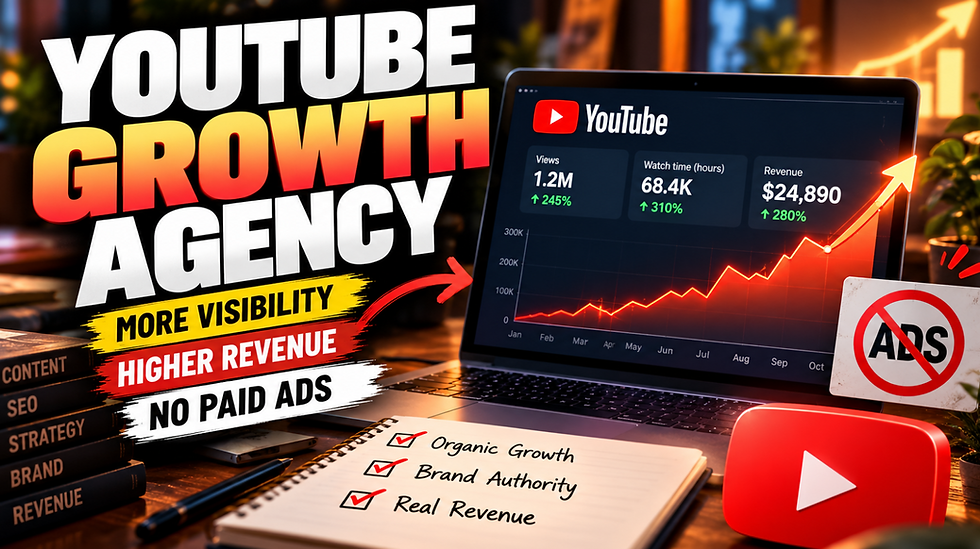
In 2006, Mary Ann Bautista and her partner took a gamble on something somewhat untested at the time: YouTube. A client agreed to pay them some money and let them execute their tests. It wasn’t some elaborate thing. They were merely trying something fresh to see what it could do. And a little test resulted in tremendous success: their movies helped garner hundreds of millions of dollars in sales, and they were still making sales more than 15 years later. It's a good example of how you can continue to make revenue from YouTube marketing even years after your video is placed there.
Currently, Bautista is co-founder of TurboRank, a YouTube growth agency that helps businesses improve their exposure and sales on YouTube without paying for commercials. She has been working in the area of direct response marketing for more than 20 years, and she has spent almost 20 years trying to figure out how to win on YouTube. While YouTube SEO is an important part of her profession, it means more than simply using keywords. It’s about knowing what people want and making something worth seeing. With the evolution of AI search, movies might become a source of answers and suggestions.
But one of the primary things Bautista underlines is that YouTube is a different place than the usual routes of advertising. People go there not because they saw an ad, but because they want to ask some questions, solve an issue, or search for anything. So you want to know the YouTube algorithm, but you don’t want to get started by learning it. Instead, a business must first analyze its audience and determine what exactly they are looking for before developing any YouTube content.
But there’s a lot more to developing a channel than merely publishing video after video. In Bautista’s post about successful YouTube channels, he touches on the flywheel process at play within YouTube channels and the value that can be generated from engagement outside of YouTube too. Communities like Reddit, Quora, and Facebook groups may help drive awareness if users actually join in debate and not just post their promotional links. The human aspect is still important. The answer to individuals who question themselves about how to grow on YouTube is not only to publish more videos.
Another obstacle that puts many people off starting is the fact that some may not want to go on camera. But Bautista says this should not deter them. If the content is interesting enough, it is feasible to establish a successful Faceless YouTube channel. Bautista recommends a realistic publication strategy: one larger video every week, and a couple of Shorts, best made in batches. Shorts aren't long videos, so you have to approach them differently. That’s why a YouTube Shorts campaign might help bring in some new viewers.
More importantly, you don't need to hunt for popular videos or spend all your cash on ads to use YouTube for your business. There is a far easier way to approach it. Find out what people need, make relevant films, post often, and allow those movies to do the work. Bautista’s instance is proof of the success of this technique. A video created years ago might still be getting views, consumers, and cash today.

Comments